Ravi Ashwin’s ’24-Carat’ Remark After India’s Shocking 0-2 T20I Series Loss to Ireland Explained

Contents
A Reality Check for Indian Cricket
The recent T20I series between India and Ireland concluded in a manner that few expected, leaving the Indian cricket fraternity in a state of introspection. India, under the leadership of Shreyas Iyer, suffered a demoralizing 0-2 whitewash in the two-match series held in Belfast. The outcome was not just a defeat, but a stark reminder of the challenges that arise when adjusting to non-subcontinental conditions. The visitors struggled to chase down 183 in the first T20I, losing by 34 runs, and narrowly missed out by a single run while chasing 155 in the second encounter, cementing this as one of the most disappointing white-ball outings in recent memory.
The Batting Struggles
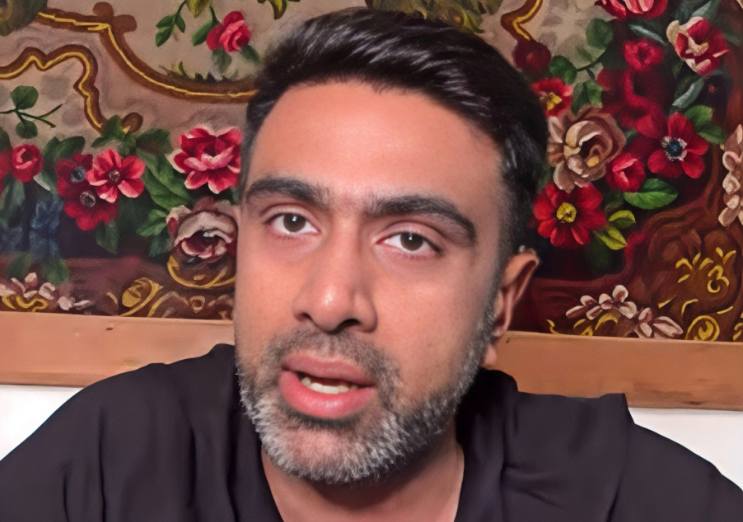
Ravi Ashwin. (Credits: X.com)
The series served as a harsh spotlight on the deficiencies within the Indian batting lineup. While flashes of individual brilliance were visible—most notably Abhishek Sharma’s blistering 49 off just 20 deliveries in the series opener—the consistency was alarmingly absent. Sharma’s subsequent golden duck in the second match epitomized the team’s volatility. Established names like Sanju Samson and Ishan Kishan also failed to provide the necessary stability, struggling to adapt to surfaces that offered movement and assistance to the bowlers.
The ’24-Carat’ Pitch Argument
Providing a seasoned perspective on the collapse, veteran spinner Ravichandran Ashwin took to his YouTube channel to offer a candid analysis. The core of his argument centers on the stark contrast between the conditions prevalent in the Indian Premier League (IPL) and the reality of international cricket abroad. Ashwin famously noted, Ravi Ashwin’s ’24-Carat’ Remark After India’s Shocking 0-2 T20I Series Loss to Ireland, that the pitches in the IPL are essentially ’24-carat’ flat batting tracks that prioritize high-scoring games and stroke-making.
Ashwin suggests that the current generation of Indian batters has become conditioned to these specific environments. According to the veteran, the ease with which runs are scored in the IPL can create a false sense of security, which evaporates the moment a player encounters a surface that requires patience, technique, and the ability to handle lateral movement.
Bridging the Gap
The veteran off-spinner emphasized that while the IPL has undoubtedly improved the depth and quality of Indian batting, it has inadvertently created a challenge for those transitioning to international surfaces. “Most of this Indian batting line-up has come straight from the IPL. Their real value at the international level will be tested only when they play on wickets that are not true batting surfaces,” Ashwin explained.
He further elaborated that true international cricket demands a different mental and technical approach. When the ball moves off the deck or through the air, the habits cultivated on flat, true-bounce pitches can become a liability rather than an asset. For India to improve, Ashwin implies that the domestic structure or the players’ individual preparation must account for a wider variety of pitch conditions to avoid recurring collapses in overseas series.
What Lies Ahead?
The defeat in Ireland serves as a wake-up call for the selectors and the players. It is clear that the talent pool in India is immense, but the tactical adaptation to foreign conditions remains a significant hurdle. As the team looks to recover from this series loss, the focus will likely shift toward finding a balance between the aggressive brand of cricket promoted by the IPL and the technical resilience required to succeed in diverse international environments.
Ultimately, Ashwin’s critique is not just about a single series loss; it is a broader commentary on the evolution of modern cricket. As teams continue to adapt to the rigors of the game, the ability to leave behind the comfort of ’24-carat’ pitches and perform under pressure will distinguish the great players from the good ones.