Mehidy Hasan Miraz could lose ODI captaincy: BCB Set for Leadership Review
Contents
The Shifting Landscape of Bangladesh Cricket Leadership
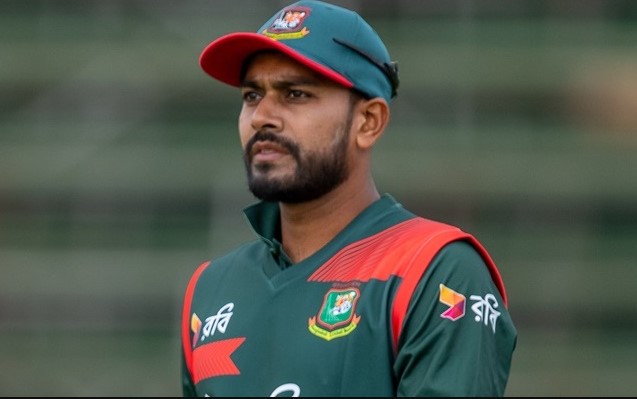
The Bangladesh national cricket team is once again at a crossroads regarding its leadership structure. Reports surfacing recently suggest that the Bangladesh Cricket Board (BCB) is contemplating a major shift in the white-ball setup, specifically concerning the role of the 50-over leader. There is growing speculation that Mehidy Hasan Miraz could lose ODI captaincy, a move that would mark yet another transition for a team currently navigating a complex period of form and personnel management.
The Case for Change
While Mehidy Hasan Miraz was appointed to the position in June 2025 with the hope of providing stability, the results have been a mixed bag. Although the team showed flashes of tactical improvement under his stewardship, the recent series defeat against Zimbabwe has reignited intense scrutiny. Critics have pointed toward a lack of decisive outcomes, particularly in foreign conditions. The numbers support this narrative: under Miraz’s tenure, the team has struggled significantly away from home, securing only two victories in 13 ODIs played outside of Bangladesh. This statistical reality has reportedly pushed the BCB to reconsider the long-term viability of his leadership.
Litton Das Poised for the Top Job
If the leadership change is enacted, Litton Das appears to be the board’s preferred successor. Litton is already firmly entrenched in the leadership group as the current T20I captain. Entrusting him with the ODI role would streamline the white-ball command structure, a philosophy that seems to be gaining traction within the board’s decision-making circles. By separating red-ball responsibilities—currently held by Najmul Hossain Shanto—from the white-ball formats, the BCB aims to distribute the immense pressure that comes with international captaincy in Bangladesh.
Furthermore, the board is looking to groom the next generation of leaders. Towhid Hridoy, who has demonstrated impressive maturity and leadership capabilities as Litton’s deputy in the T20I format, is being tipped to become the ODI vice-captain. Hridoy’s recent success in leading the side to a series win against Zimbabwe in Litton’s absence has certainly enhanced his reputation as a future cornerstone of the team’s leadership architecture.
The BCB Board Meeting: A Turning Point
The future of the ODI captaincy is expected to be finalized during a pivotal BCB board meeting scheduled for Tuesday, July 29. This meeting will not only address the captaincy but will likely set the strategic direction for the team’s upcoming international cycle. While there was internal discussion regarding the possibility of reinstating Najmul Hossain Shanto as the ODI skipper, the board seems to have pivoted toward a model that emphasizes specialized roles for different formats. This decision reflects a broader trend in global cricket, where teams increasingly prefer to avoid overloading a single individual with the demands of all three international formats.
A Look Back at a Contentious Tenure
The appointment of Mehidy Hasan Miraz back in 2025 was met with significant debate from the outset. At the time, he replaced Shanto, even though the team had been performing respectably. That transition was marked by scrutiny, and his tenure has continued to be a lightning rod for criticism. Despite a slow start and subsequent improvements, the inability to convert pressure into consistent wins, especially on the road, has proven to be the primary hurdle for Miraz. The potential removal of the captaincy would be a significant development in what has been a turbulent few years for Bangladesh cricket leadership.
As the cricket community awaits the official announcement from the BCB, the focus remains on whether this change will provide the necessary spark to revitalize the team’s performance. The transition, if confirmed, will be another chapter in the ongoing effort to find a sustainable leadership model capable of competing at the highest level of international cricket.