Ravi Ashwin discloses his first-choice wicketkeeper for India’s ODI World Cup 20: An Expert’s Insight
As the cricketing world begins to cast its gaze towards the 2027 ODI World Cup, the foundational discussions surrounding India’s squad composition are already well underway. Among the most keenly debated positions is the crucial wicketkeeper’s slot, a role that demands not only exceptional glovework but also significant batting prowess and strategic acumen. What appears to be a single position on paper has evolved into a compelling four-way contest, showcasing the depth of talent within Indian cricket. In a significant development for this ongoing discussion, veteran India spinner Ravichandran Ashwin has recently offered his expert insights, and in doing so, Ravi Ashwin discloses his first-choice wicketkeeper for India’s ODI World Cup 2027 campaign, sparking further analysis and debate among fans and pundits.
Contents
The Four Contenders: Strengths and Strategic Value
The quartet vying for this pivotal role includes KL Rahul, Ishan Kishan, Rishabh Pant, and Sanju Samson. Each player brings a distinct set of skills and strategic advantages to the national side, making the selection a complex balancing act for the team management and selectors. Understanding their individual attributes is key to appreciating the depth of this debate.
KL Rahul: The Architect of Calmness and Adaptability
KL Rahul stands out for his remarkable versatility and unflappable temperament under pressure. He offers a unique combination of reliable wicketkeeping and the ability to bat anywhere in the middle order. His game is characterized by control and a calming influence, crucial in navigating challenging situations. Rahul can anchor an innings, rebuild after early collapses, or accelerate when the situation demands, making him an invaluable asset in the demanding environment of an ICC tournament. His technical proficiency and capacity to adapt to various match scenarios provide stability to the batting line-up.
Ishan Kishan: The Intentful Aggressor
Ishan Kishan is known for his aggressive, intent-driven approach to batting. From the moment he steps onto the crease, he aims to dictate terms to the bowlers, possessing the rare ability to seize momentum early in an innings. His explosive hitting can dismantle opposition bowling attacks and shift the game’s trajectory rapidly. While his consistency at the highest level remains a point of discussion, his sheer potential for match-winning knocks makes him an exciting prospect and a strong contender for a dynamic middle-order role.
Rishabh Pant: The Unpredictable X-Factor
Rishabh Pant epitomizes the “X-factor” player. His batting is marked by an audacious, fearless style that can turn a match on its head within a few overs. While his approach can sometimes lead to inconsistent performances, his capacity for raw, match-winning impact is undeniable. Pant’s unique ability to hit boundaries from unconventional positions and his aggressive mindset make him a genuine threat, particularly in formats where quick scoring is paramount. His past performances, especially in challenging conditions, underscore his value.
Sanju Samson: Elegance and Clean Striking
Sanju Samson brings a blend of elegance and clean hitting to the wicketkeeper-batsman equation. His batting is characterized by exquisite timing and the ability to find gaps with apparent ease. When in full flow, Samson is a treat to watch, capable of building significant partnerships and accelerating the scoring rate through well-timed strokes rather than brute force. While questions around his consistency in international cricket persist, his undeniable talent and potential for impactful innings keep him firmly in the selectors’ considerations.
Ashwin’s Authoritative View: Backing Rahul, But Keeping Doors Open
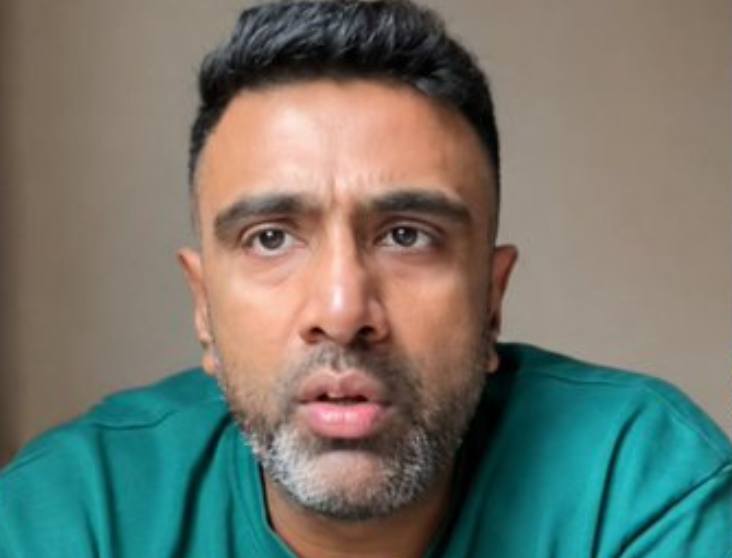
In a recent discussion on his popular YouTube channel, Ravichandran Ashwin provided a comprehensive breakdown of his preferences for the wicketkeeper position in the lead-up to the 2027 World Cup. Ashwin, known for his deep tactical understanding of the game, placed KL Rahul at the forefront of his considerations, earmarking him as the most probable first-choice option.
Ashwin articulated his reasoning, stating, “KL Rahul will be the first choice keeper and Ishan Kishan can probably get a boarding pass as the back-up for the World Cup.” This clear preference for Rahul highlights the value Ashwin places on stability, experience, and multi-faceted utility in a major tournament. Rahul’s proven track record of performing under pressure and his ability to adapt to varying batting requirements likely influenced this assessment.
However, Ashwin’s analysis was not without nuance. He strongly advocated against prematurely sidelining Rishabh Pant from the discussion, especially considering the potential venue for the 2027 World Cup. “But I don’t think it’s fair to let go of Rishabh Pant this early, considering the World Cup will be in South Africa. Pant has performed decently in the middle-order in ODIs. Kishan played an outstanding knock but let’s not jump the gun,” Ashwin cautioned.
This perspective from Ashwin underscores the strategic importance of Pant’s aggressive batting style, which could be particularly effective on the fast, bouncy pitches traditionally found in South Africa. His ability to disrupt bowling rhythms and score quickly could provide India with a significant advantage in high-stakes encounters. Ashwin’s emphasis on not “jumping the gun” regarding Kishan’s selection after one outstanding knock also reflects a mature approach to squad building, valuing sustained performance over sporadic brilliance.
The veteran spinner further elaborated on the cautious approach needed when evaluating players. While acknowledging Kishan’s ability to produce explosive innings, he advised against making long-term selection decisions based on short bursts of form. One exceptional performance, Ashwin suggested, should not be the sole determinant for a World Cup selection plan, emphasizing the need for consistency and a broader body of work. This thoughtful approach from Ashwin highlights his deep understanding of the pressures and demands of international cricket, particularly in a marquee event like the World Cup.
The Intricacies of Selection: Beyond the Gloves
The wicketkeeper’s role in modern ODI cricket extends far beyond merely collecting balls behind the stumps. It encompasses tactical awareness, leadership potential, and the ability to contribute significantly with the bat, often under immense pressure. KL Rahul’s flexibility, as highlighted by Ashwin, makes him a compelling candidate. His capacity to adjust his game according to team needs—whether it’s building an innings, accelerating the scoring, or providing stability—is a rare and invaluable trait. This kind of adaptability often becomes the cornerstone of success in demanding ICC tournaments, where different match situations require varied approaches.
Rishabh Pant, while offering a completely different energy, remains a tantalizing prospect. His willingness to take risks, even if it doesn’t always pay off, is precisely what gives him his unique edge. When he finds his rhythm, Pant can single-handedly alter the trajectory of a match in a remarkably short period. This ‘X-factor’ is a quality possessed by very few players globally, making his inclusion a high-reward, high-risk proposition that could be a game-changer. The strategic debate around Pant often revolves around harnessing this power effectively within the team structure.
Ishan Kishan and Sanju Samson, while undoubtedly talented, still face questions regarding their consistency at the highest international level. Their potential is immense, but the sustained performance required for a World Cup campaign demands a consistent output that they are still striving to establish. Their development in the coming years will be crucial in determining their final prospects for the 2027 squad.
Furthermore, the wicketkeeper debate is intrinsically linked to the broader batting line-up. If experienced stalwarts such as Rohit Sharma and Virat Kohli continue to be part of the setup, the batting order could gain an even more solid and formidable appearance. In such a scenario, the wicketkeeper’s role might lean towards either a steady accumulator or a dynamic finisher, depending on the desired balance. The decision is not merely about individual capabilities but how each player complements the overall team strategy and composition.
In conclusion, the race for India’s primary wicketkeeper for the 2027 ODI World Cup is far from settled, despite Ravi Ashwin’s insightful initial assessment. While KL Rahul emerges as a strong frontrunner due to his versatility and composure, the undeniable talents of Rishabh Pant, Ishan Kishan, and Sanju Samson ensure that the debate remains vibrant and engaging. The next few years will undoubtedly witness intense competition and crucial performances that will ultimately shape the final decision, making this one of the most intriguing selection puzzles for Indian cricket.