
Contents
A Strategic Shift in the Global Calendar
In a move that has caught the attention of cricketing boards and fans alike, the International Cricket Council (ICC) has officially announced that the Women’s Champions Trophy 2027 moved from June to February. Originally slated for the mid-year window of June and July, the inaugural edition of this prestigious tournament will now be hosted in Sri Lanka over a fortnight, specifically from February 14 to February 28, 2027. This decision was finalized during the ICC’s recent quarterly meeting in Ahmedabad.
While the ICC has opted not to provide a specific rationale for the timing adjustment, the shift has immediate implications for the international schedule. Most notably, the new window creates a partial overlap with an upcoming bilateral series between Australia and New Zealand. That white-ball tour is currently scheduled to commence on February 27, 2027, and run until March 7. Reports indicate that Cricket Australia has been formally notified of the change and is currently evaluating how this impacts their programming.
Tournament Format and Development
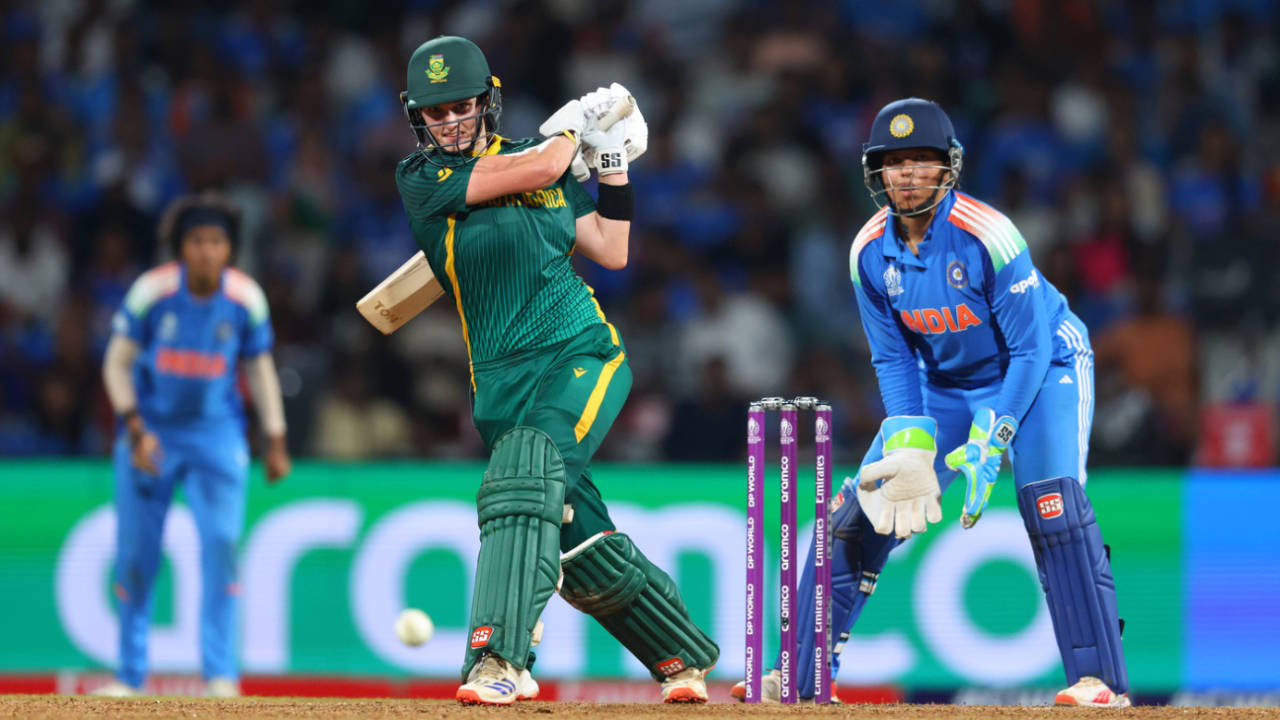
The Women’s Champions Trophy is set to be an eight-team spectacle played in the T20 format. Since its initial announcement in 2022, the tournament has been viewed as a cornerstone for elevating the women’s game. Beyond this headline event, the ICC is continuing its investment in the grassroots and emerging tiers. The council is piloting a new 10-team version of the Women’s Emerging Nations Trophy, which will now feature a blend of five Full Members and five Associate Members determined by their respective rankings. This represents a healthy expansion from the previous eight-team format, which was strictly limited to top Associate nations.
Roadmap to the 2028 Women’s T20 World Cup
The ICC board also utilized the meeting to outline the qualification pathway for the 2028 Women’s T20 World Cup, which is scheduled to be hosted by Pakistan. In adherence to the hybrid model agreement, matches involving India are expected to be held at a neutral venue. The qualification criteria are rigorous: out of 12 teams, 10 will qualify automatically. This group will include the host nation, the top eight finishers from the current tournament in England, and the highest-ranked teams in the women’s T20I standings as of July 6, 2026. The final two spots will be decided through a competitive process involving regional qualifiers followed by a high-stakes 10-team global qualifier tournament.
Governance Challenges: The Case of Cricket Canada
In a move reflecting the ICC’s commitment to clean administration, the board announced the suspension of Cricket Canada’s membership. This decision stems from what the ICC characterized as serious breaches of membership obligations. While administrative turbulence and corruption investigations have plagued the organization for the past 18 months, the ICC has emphasized that the welfare of the players remains a priority.
The governing body has established a controlled funding mechanism to ensure that national team programs remain functional during this period of suspension. Canadian teams will continue to compete in ICC events, and a Normalisation Committee has been appointed to oversee progress toward defined reinstatement conditions. This balanced approach aims to isolate governance failings from the development of the athletes themselves.
Global Oversight and Leadership Stability
Finally, the ICC is maintaining active engagement with several Full Members currently navigating leadership transitions. Both Bangladesh and Sri Lanka are under the microscope regarding potential government interference in their cricketing administration. High-level delegations, including representatives from Cricket South Africa, Zimbabwe Cricket, and the BCCI, are conducting assessments to ensure that the autonomy and electoral integrity of these boards are preserved according to ICC standards. As these developments unfold, the focus remains on ensuring that the global game continues to thrive under transparent and robust management structures.